
North Cotswolds vs South Cotswolds: Which Area Is Right for Your Stay?
Choosing between the North Cotswolds and South Cotswolds is one of the most useful decisions you can make when planning a stay in the region.
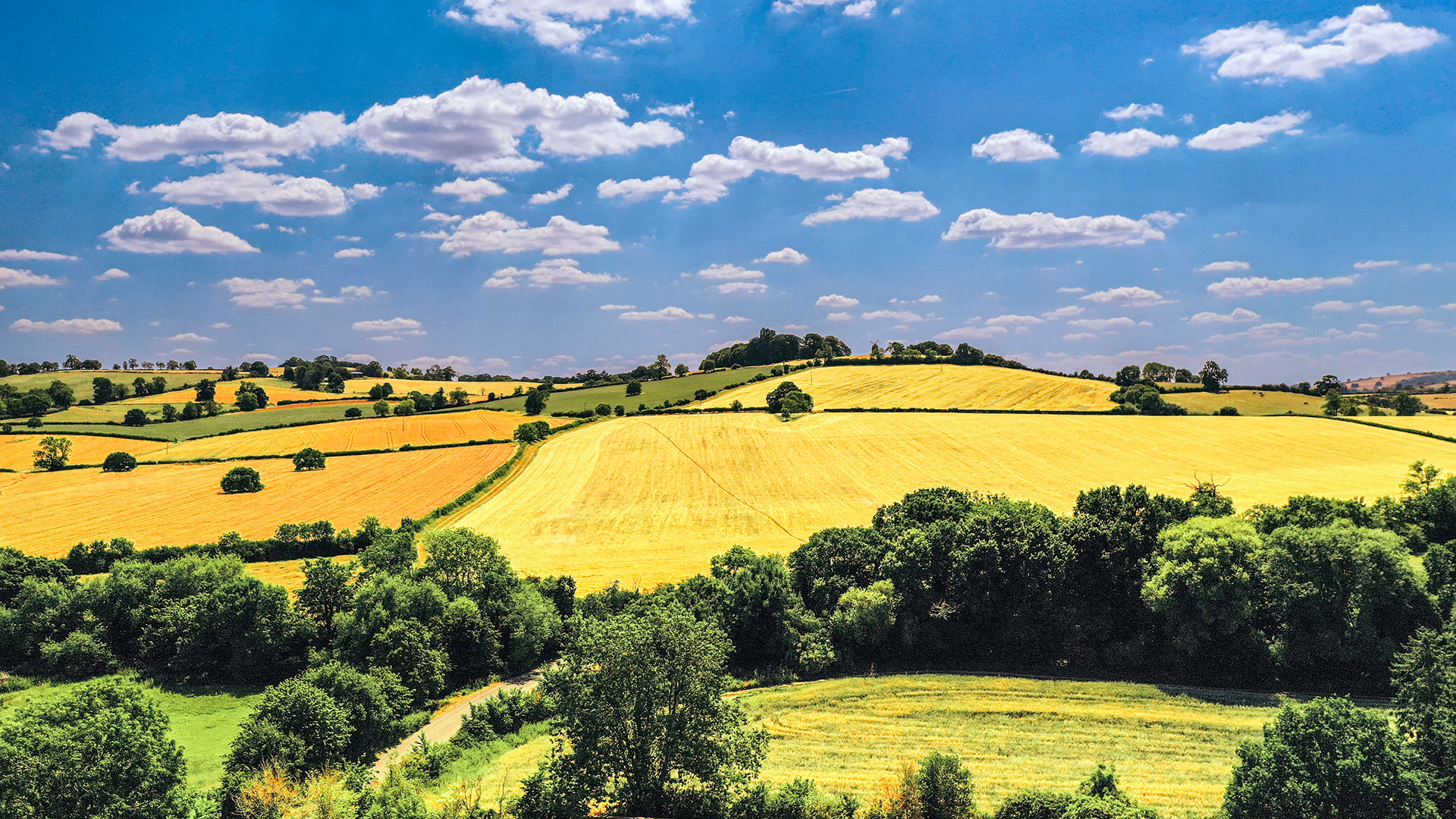
Both areas offer the golden-stone villages, rolling countryside, historic houses, country pubs and rural beauty that make the Cotswolds so memorable. Yet they do not feel exactly the same. The North Cotswolds is often the natural choice for first-time visitors, classic village-hopping, walking, market towns and polished country weekends. The South Cotswolds is ideal for guests who want gardens, antiques, quieter valleys, historic estates, Bath connections and a more understated sense of discovery.
There is no simple “better” option. The right choice depends on the kind of stay you want to create.
A couple planning a long weekend may want a beautiful village with restaurants and walks nearby. A family may need easy access to attractions, shops and relaxed days out. A multigenerational group might place privacy, space and dining arrangements above everything else. A group celebrating a landmark birthday may want the house itself to be the heart of the stay, with local experiences arranged around it.
This guide compares the North and South Cotswolds in a practical way, so you can choose the area that best suits your plans.
Explore our collection of luxury cottages and country houses in the Cotswolds as you consider the right base for your stay.
The Short Answer
If it is your first time in the Cotswolds, the North Cotswolds is often the easiest place to begin. It places you close to many of the region’s most famous villages and towns, including Broadway, Chipping Campden, Stow-on-the-Wold, Moreton-in-Marsh, Kingham, Chipping Norton and Bourton-on-the-Water.
If you already know the Cotswolds, or you prefer gardens, antiques, quieter countryside and a slightly less obvious route, the South Cotswolds can feel especially rewarding. Tetbury, Painswick, Minchinhampton, Nailsworth, Castle Combe, Cirencester and the surrounding valleys all offer a different version of the region.
As a general rule:
Choose the North Cotswolds for classic villages, first-time visits, walking, country pubs, market towns and easy access to many of the best-known places.
Choose the South Cotswolds for gardens, antiques, heritage, quieter countryside, country-house stays, Bath connections and a more relaxed, less crowded feeling.
For many guests, the best answer is not strictly north or south. It is choosing a private house in the right setting, then shaping the stay around the people travelling.
What Do We Mean by North and South Cotswolds?
The Cotswolds is not divided by one exact official line for holiday planning purposes. It stretches across several counties and covers a large rural landscape, so “North Cotswolds” and “South Cotswolds” are best understood as practical travel areas rather than strict borders.
The North Cotswolds usually refers to the area around Chipping Campden, Broadway, Moreton-in-Marsh, Stow-on-the-Wold, Bourton-on-the-Water, Kingham, Chipping Norton, Burford and nearby villages.
The South Cotswolds usually refers to the area around Tetbury, Cirencester, Painswick, Minchinhampton, Nailsworth, Castle Combe, Malmesbury, Stroud and the countryside leading towards Bath and Wiltshire.
There are also central areas, such as Cirencester, the Coln Valley and some of the villages around Burford, which can work beautifully as a bridge between the two.
Rather than becoming too fixed on the boundary, it is better to ask: what do you want your stay to feel like?
North Cotswolds: Classic Villages, Country Pubs and First-Time Appeal
The North Cotswolds is where many visitors find the version of the region they first imagined: elegant high streets, market squares, antique shops, mellow stone cottages, hilltop viewpoints, refined village pubs and gentle countryside drives between famous places.
This part of the Cotswolds works particularly well for a first visit because it gives you easy access to many of the most recognisable towns and villages.
Broadway has a refined village feel, with galleries, restaurants, shops and access to Broadway Tower and surrounding walking country. Chipping Campden offers one of the region’s most graceful historic high streets and is strongly associated with architecture, craftsmanship and the Cotswold Way. Stow-on-the-Wold is a practical and atmospheric market town, useful for exploring several villages in one trip. Kingham and the Oddingtons are excellent for guests who want a food-led stay, country pubs and a more local feeling.
The North Cotswolds also suits guests who enjoy moving gently through the region: a morning walk, lunch in a pub, an afternoon in an antiques shop, a visit to a garden or landmark, then dinner back at the house or in a nearby village.
Best for:
- First-time visitors
- Classic village-hopping
- Country pubs and food-focused weekends
- Walking breaks
- Couples and small groups
- Short stays with plenty nearby
- Guests who want the most recognisable Cotswolds scenery
South Cotswolds: Gardens, Antiques, Valleys and Understated Luxury
The South Cotswolds has a slightly different character. It can feel quieter, more spacious and more understated than some of the most visited northern villages.
Tetbury is one of its strongest bases, especially for guests interested in antiques, interiors, gardens and country-house surroundings. The town has an elegant, historic feel, with independent shops and a strong connection to nearby gardens, estates and arboretums.
Painswick, often called the Queen of the Cotswolds, offers a softer, more romantic atmosphere, with beautiful stone buildings, churchyard yews, nearby walks and access to the surrounding valleys. Minchinhampton and Nailsworth bring a more relaxed, creative, local feeling, with attractive countryside, independent food and a slightly less polished but deeply appealing character.
Castle Combe, while famous and often busy, is one of the most photogenic villages in the southern part of the region. Cirencester, meanwhile, provides a more practical base, with Roman heritage, shopping, restaurants and excellent access to surrounding villages.
The South Cotswolds is often particularly rewarding for returning visitors, garden lovers, guests who want a slower pace and those who prefer to stay somewhere that feels slightly less obvious.
Best for:
- Returning Cotswolds visitors
- Garden and heritage trips
- Antiques and interiors
- Quieter countryside
- Longer stays
- Bath and Wiltshire connections
- Country-house weekends with a more relaxed feel
Which Is Better for First-Time Visitors?
For most first-time visitors, the North Cotswolds is the more obvious starting point.
It gives you easy access to many of the places people most associate with the Cotswolds: Broadway, Chipping Campden, Stow-on-the-Wold, Bourton-on-the-Water, Lower Slaughter, Upper Slaughter, Moreton-in-Marsh and the surrounding villages. It is also a strong area for scenic drives, country pubs, gentle walks and traditional market-town atmosphere.
A first-time visitor can base themselves in or near one of the North Cotswolds towns and see a satisfying range of places without spending the whole trip in the car.
That said, the South Cotswolds can be a wonderful choice for first-time guests who know they are less interested in the most famous villages and more interested in gardens, heritage, antiques, Bath access or a quieter country-house experience.
Our view: if the priority is “classic Cotswolds”, choose the North. If the priority is “beautiful countryside with a more individual route”, consider the South.
Which Is Better for Families?
Both areas can work beautifully for families, but they suit different styles of family stay.
The North Cotswolds is helpful for families who want a mix of villages, attractions, pubs, farm shops, gentle walks and manageable day trips. Areas around Burford, Broadway, Stow-on-the-Wold, Moreton-in-Marsh and Chipping Norton give families plenty of variety without feeling too remote.
The South Cotswolds can be excellent for families who want more space, gardens, countryside, longer stays and a slower pace. Cirencester and Tetbury are particularly useful because they combine historic character with practical amenities. The surrounding villages provide a quieter setting for families who want the property itself to be central to the holiday.
For families travelling with children, the best location is usually the one that keeps journeys simple. Short drives, relaxed meal options, space at the house, nearby walks and a sensible balance between outings and downtime will usually matter more than being in the most famous village.
For larger families and multigenerational groups, the property may be more important than the exact village. Bedroom layout, gardens, dining space, parking, play areas, privacy and concierge support can make the difference between a good stay and an effortless one.
Browse our private Cotswolds homes for family gatherings and celebrations to find a setting that gives your group the space and comfort to enjoy the region properly.
Which Is Better for Couples?
For couples, the North Cotswolds often works beautifully for a short romantic break. Broadway, Kingham, Chipping Campden, Stow-on-the-Wold and the surrounding villages offer attractive places to wander, good food, fireside pubs, independent shops and countryside walks.
The South Cotswolds is excellent for couples who want something quieter and perhaps more atmospheric. Tetbury, Painswick, Castle Combe and the valleys around Stroud offer beautiful settings with a slightly more contemplative feel. The southern area is also strong for couples who enjoy gardens, interiors, historic houses and unhurried days.
For a first romantic weekend, the North may give you the most immediately recognisable Cotswolds experience. For a more private or returning visit, the South can feel more personal and less expected.
Which Is Better for Food and Drink?
The North Cotswolds has a particularly strong reputation for country pubs, farm shops, destination dining and food-focused weekends. Areas around Kingham, the Oddingtons, Chipping Norton, Stow-on-the-Wold, Burford and Daylesford are especially useful for guests who want to build a stay around good food.
This makes the North a natural choice for long lunches, relaxed dinners, farm-shop visits and private-chef weekends.
The South Cotswolds also has excellent food and drink, but the experience can feel more spread out and local. Tetbury, Nailsworth, Stroud, Cirencester and the surrounding villages offer independent restaurants, cafés, markets, producers and pubs, often with a slightly more relaxed and less polished feel.
For guests who want a concentrated food-led weekend with several well-known options nearby, the North is hard to beat. For guests who enjoy discovering local favourites, markets, producers and quieter dining rooms, the South can be very rewarding.
For private dining, both areas work well. With the right house, a private chef, local produce and a carefully planned weekend can make the location feel entirely your own. Our Cotswolds concierge service can help shape a stay around restaurants, private dining, local experiences and special occasions.
Which Is Better for Walking and Nature?
The North Cotswolds is excellent for classic walking country. Chipping Campden is strongly associated with the Cotswold Way, while Broadway and the surrounding hills offer some of the region’s most memorable views. Winchcombe, although sometimes considered central-northern depending on how you divide the region, is also a superb walking base with heritage and countryside close together.
The South Cotswolds offers a different kind of outdoor appeal. The valleys around Painswick, Slad, Nailsworth, Minchinhampton and Stroud have a softer, sometimes more dramatic feel, with hills, commons, woodland, lanes and views that can feel less visited than some of the better-known northern routes.
For a first walking break, the North Cotswolds is easy to recommend. For guests who already know the classic trails and want a quieter, more varied landscape, the South Cotswolds deserves serious consideration.
Which Is Better for Heritage and Landmarks?
Both areas are rich in heritage, but the emphasis is different.
The North Cotswolds is particularly strong for historic towns, wool-trade architecture, market halls, churches, Broadway Tower, Sudeley Castle, Chipping Campden and traditional village streets. It is ideal for guests who enjoy the architecture and atmosphere of the Cotswolds itself.
The South Cotswolds is excellent for gardens, estates, Roman history, abbeys, antiques, country houses and connections towards Bath. Tetbury, Cirencester, Painswick, Malmesbury and Castle Combe all provide strong heritage interest, while the wider southern area gives access to some of the region’s most rewarding gardens and historic landscapes.
If your idea of heritage is classic Cotswolds streets and market towns, the North is especially strong. If your interest leans towards gardens, estates, Roman history and a broader cultural route, the South may be the better fit.
Which Is Better for Celebrations and Larger Groups?
For celebrations, the question is less about North versus South and more about the right house.
A milestone birthday, anniversary, reunion, wedding party or festive gathering usually depends on space, privacy, bedroom arrangement, dining rooms, gardens, parking and the ability to organise food, transport and experiences smoothly.
The North Cotswolds can be ideal for celebration groups who want classic villages, popular pubs, memorable day trips and an easy sense of occasion. It is particularly strong for groups who want to explore between meals and enjoy the familiar Cotswolds atmosphere.
The South Cotswolds can be exceptional for more private, slower celebrations. A country house near Tetbury, Cirencester, Painswick or one of the surrounding villages can feel deeply restorative, especially when the stay is built around long lunches, private dining, garden time, spa treatments or a tailored itinerary.
For a large group, the most successful stays often come from choosing a property that works beautifully, then allowing the location to support the experience rather than dominate it.
North Cotswolds vs South Cotswolds: Key Differences
Choose the North Cotswolds if you want:
- Classic villages and market towns
- A strong first-time Cotswolds experience
- Easy village-hopping
- Country pubs and farm shops
- Walking routes and viewpoints
- Broadway, Chipping Campden, Stow-on-the-Wold, Kingham and Bourton-on-the-Water nearby
- A polished, recognisable Cotswolds atmosphere
- A short break with plenty to see close by
Choose the South Cotswolds if you want:
- A quieter and more understated stay
- Gardens, antiques and heritage
- Access towards Bath, Wiltshire and the southern valleys
- Tetbury, Painswick, Cirencester, Castle Combe, Nailsworth and Minchinhampton nearby
- A slower country-house atmosphere
- More room to discover places beyond the obvious route
- A strong option for returning visitors
- A private stay shaped around the house, food and countryside
A Practical Way to Decide
If you are still unsure, think about the trip in terms of the people travelling.
If you are planning a first Cotswolds weekend
Choose the North Cotswolds. It gives you the most direct access to the classic villages, views, pubs and market towns that many guests want from a first visit.
If you are planning a longer stay
Consider either area. The North gives you a high concentration of famous places, while the South gives you more space to explore slowly and discover less obvious corners.
If you are travelling with children
Focus on practicality. Burford, Broadway, Cirencester, Woodstock, Stow-on-the-Wold and the surrounding areas can all work well, depending on the property and planned activities.
If you are travelling as a couple
Choose the North for a classic romantic weekend with villages, pubs and walks. Choose the South for a quieter, more atmospheric escape with gardens, antiques and softer countryside.
If you are planning a food-led stay
The North Cotswolds is especially strong, particularly around Kingham, the Oddingtons, Chipping Norton and nearby villages. The South also works well for guests who enjoy local producers, markets and a more exploratory dining route.
If you are planning a special occasion
Start with the house. Once the right property is chosen, the concierge, dining, local experiences and surrounding villages can be arranged around the stay.
If you want privacy
Look beyond the busiest villages in either area. A quiet private home close to a beautiful town or village often offers a better experience than staying directly in the most photographed location.
Can You Visit Both the North and South Cotswolds in One Stay?
Yes, especially if you are staying for several days. However, it is better not to plan the trip as though the Cotswolds is a checklist.
The most enjoyable stays usually allow time to settle into the house, enjoy the garden, walk locally, eat well and explore a few carefully chosen places. Trying to cover the entire region in a short stay can make the Cotswolds feel more rushed than it should.
For a weekend, choose one area and enjoy it properly.
For three to five nights, you can base yourself well and explore more widely with careful planning.
For a week or longer, you can experience both the classic northern villages and the quieter southern landscapes without feeling hurried.
Our View: North for the Classic Cotswolds, South for a More Understated Escape
The North Cotswolds is the natural choice if you want the classic village-led version of the region. It is easy to love, easy to navigate and rich in the places many guests most want to see on a first visit.
The South Cotswolds is ideal if you want something quieter, more spacious or slightly less expected. It is particularly rewarding for gardens, antiques, historic houses, countryside, long stays and guests who already know the more famous northern villages.
Neither is better. They simply offer different moods.
The North feels more immediate: the postcard villages, the market squares, the country pubs, the walking routes and the familiar Cotswolds scenes.
The South feels more layered: gardens, valleys, estates, antiques, quieter towns, local food and slower days.
The best choice is the one that reflects how you want to spend your time.
Planning the Right Cotswolds Stay
At Luxury Cotswold Rentals, choosing the right base is only the beginning. The most memorable stays are shaped around the people travelling, the occasion, the property and the experiences that will make the trip feel personal.
A family holiday may need short drives, child-friendly activities and generous outdoor space. A milestone celebration may require private dining, beautiful entertaining areas and seamless planning. A romantic weekend may centre on a smaller village, long lunches and countryside walks. A corporate or creative retreat may need privacy, comfort and a setting that allows guests to properly switch off.
Whether you are drawn to the classic beauty of the North Cotswolds or the quieter character of the South Cotswolds, the right property can turn the area into the perfect base for your stay.
Explore our luxury cottages, manor houses and private country homes across the Cotswolds, or speak to our team about choosing the area, property and experiences that best suit your plans.
Conclusion
The choice between the North Cotswolds and South Cotswolds is really a choice between two different styles of stay.
The North is best for classic villages, first-time visits, country pubs, walking and a more instantly recognisable Cotswolds experience. The South is best for gardens, antiques, quieter countryside, heritage, Bath connections and a more understated private escape.
For a short first visit, the North Cotswolds is often the most practical choice. For a longer, slower or more individual stay, the South Cotswolds can be deeply rewarding. For families, celebrations and multigenerational gatherings, the right private house may matter more than the exact area.
Whichever you choose, the aim should be the same: to experience the Cotswolds at a pace that allows you to enjoy it properly.
Explore our collection of luxury Cotswolds properties and begin planning a stay shaped around the places, people and experiences that matter most.